
Have you ever experienced thoracic spine pain?
Thoracic spine pain, which affects the middle section of your spine, is less commonly discussed than neck or lower back pain—but it’s still important. Research shows that 15–20% of people will experience thoracic spine pain at some point in their lives, with females, children, and adolescents more prone to this condition (Roquelaure et al., 2014).
Thoracic spine pain often coexists with other musculoskeletal pain in the trunk area. If you’re frequently experiencing tightness, stiffness, or general discomfort in your back, shoulders, or neck, it may be worth taking a closer look at your thoracic spine.
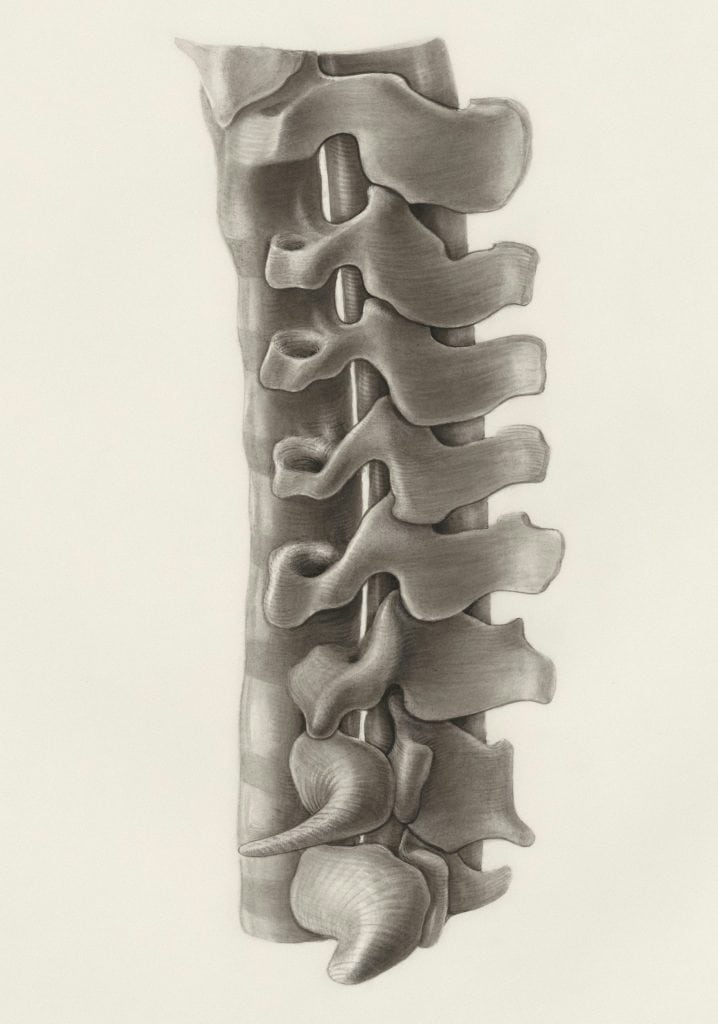
Why Does Thoracic Spine Pain Happen?
There’s no one-size-fits-all answer. Several factors can increase your risk:
- Poor posture
- Low physical activity
- Stress or anxiety
- Repetitive or awkward movement
- Heavy backpack use (especially in children and adolescents)
Interestingly, even small changes in the curve of your upper back (thoracic kyphosis) may influence the way your spine handles pressure. According to a study by Briggs et al. (2009), variations in the shape of the thoracic spine can affect muscle tension and joint load, especially in younger people.
What Does It Feel Like?
You might experience:
- A dull ache or stiffness between your shoulder blades
- Discomfort when rotating or bending your upper body
- Muscle tightness or tenderness in the trunk
- Limited mobility or a feeling of being “stuck” when trying to move
If you’re also experiencing red flags like sudden weight loss, fever, tingling in your limbs, or history of cancer, it’s crucial to speak with your GP right away.
How It Affects the Rest of Your Body
Because your thoracic spine connects the neck and lower back, issues here can affect the entire spinal system. For instance, tightness in the upper trunk can limit neck movement and even lead to compensation and strain in the lower back (Louw & Schmidt, 2015).
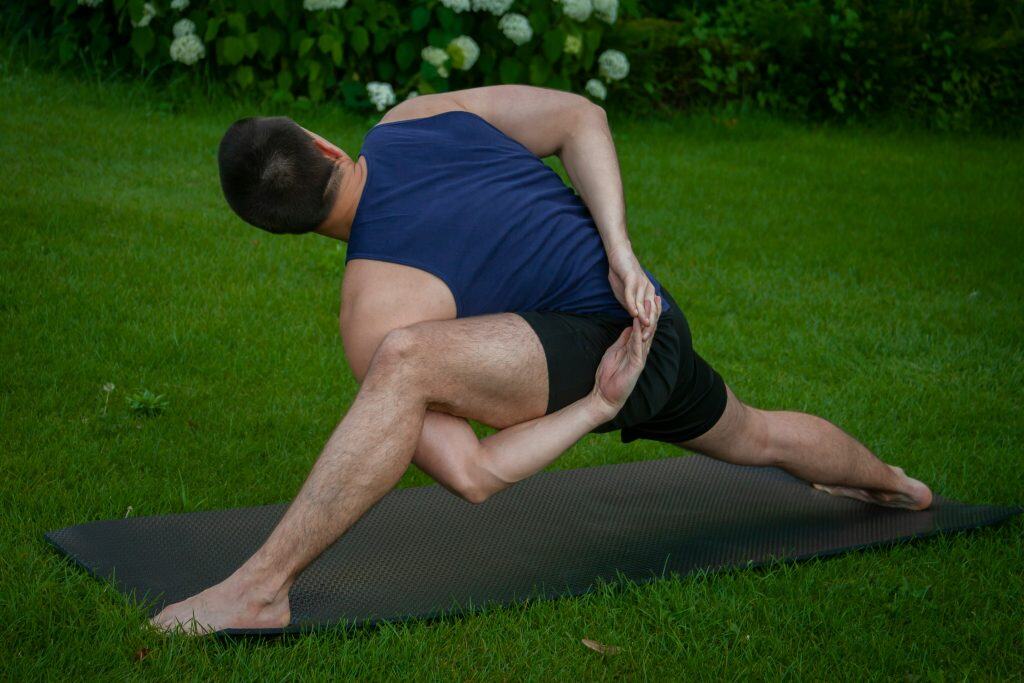
Photo by Adél Grőber on Unsplash
What Can You Do?
Here are some gentle things to try:
- Mobility exercises like bow and arrow or thread the needle
- Foam rolling to reduce stiffness (avoid rolling into the lower back)
- Heat therapy such as a warm shower or heat pack
- Posture checks—adjust your desk, seat, and screen height
- Rest and movement balance—don’t overdo either!
Still no relief? It’s best to see a physiotherapist for a proper assessment and a tailored exercise program. According to a cross-sectional study by Risetti et al. (2023), physiotherapists use a combination of manual therapy, patient education, and targeted movement to manage thoracic spine pain effectively.
Final Thoughts
Thoracic spine pain can be frustrating and easy to overlook. But with the right knowledge, small changes, and the help of a healthcare professional, it can be managed effectively.
Click here if you need some tips on lower back pain – https://bodysmartphysio.fit/lower-back-pain-evidence-based-guide-for-a-healthier-lower-back/
References
- Briggs, A. M., Wrigley, T. V., Tully, E. A., Adams, P. E., & Greig, A. M. (2009). Radiographic measures of thoracic kyphosis in young adults: A reliability study. Journal of Physiotherapy, 55(1), 39–44. https://doi.org/10.1016/S1836-9553(09)70065-6
- Louw, A., & Schmidt, S. (2015). Chronic pain and the thoracic spine. The Journal of Manual & Manipulative Therapy, 23(3), 139–146. https://doi.org/10.1179/2042618615Y.0000000010
- Risetti, M., Gambugini, R., Testa, M., & Battista, S. (2023). Management of non-specific thoracic spine pain: a cross-sectional study among physiotherapists. Physiotherapy Theory and Practice, 1–9. https://doi.org/10.1080/09593985.2023.2174202
- Roquelaure, Y., Bodin, J., Ha, C., Le Marec, F., Fouquet, N., Ramond-Roquin, A., Goldberg, M., Descatha, A., Petit, A., & Imbernon, E. (2014). Incidence and risk factors for thoracic spine pain in the working population: The French Pays de la Loire study. Occupational and Environmental Medicine, 71(4), 254–259. https://doi.org/10.1136/oemed-2013-101570
Leave a Reply